Design and production

IDEAUMBRA also creates turnkey prototypes, detailing the costing of new projects.

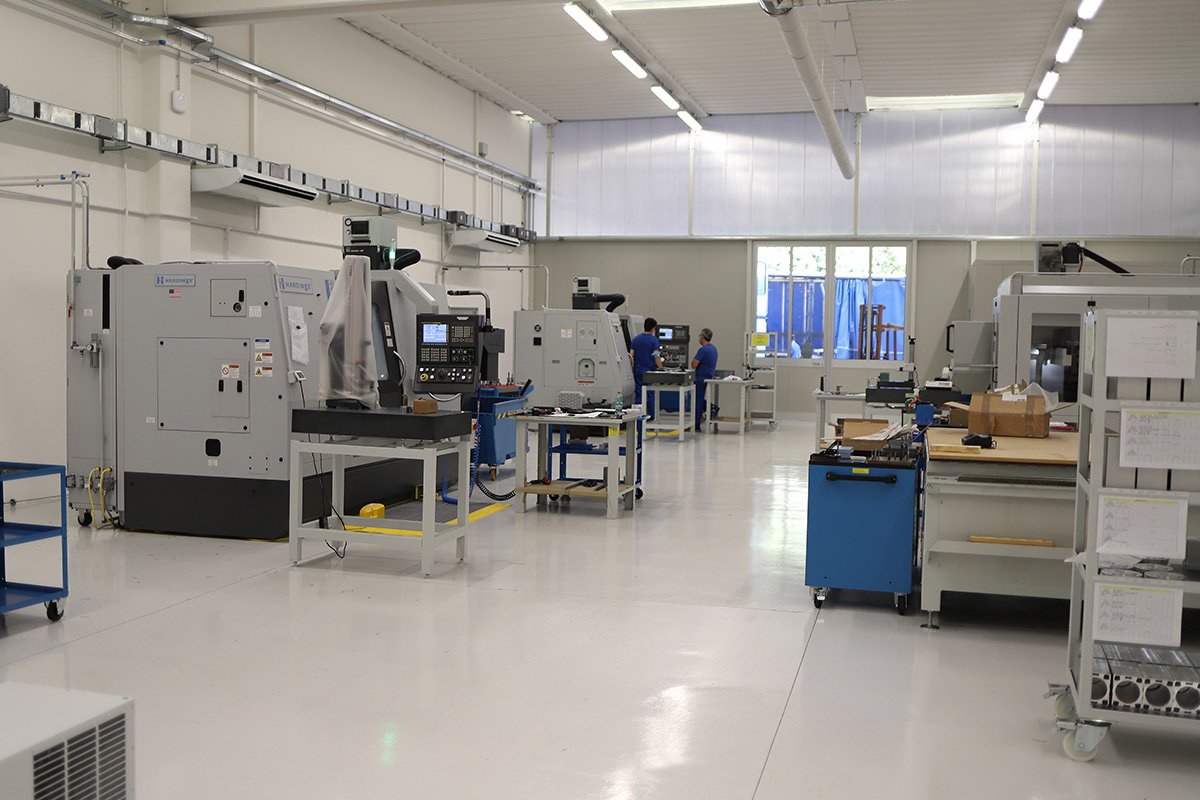
Experience, dedication, and passion cultivated over the years by the founder in various sectors related to precision mechanics have allowed IDEAUMBRA to establish itself in different markets, standing out for alternative and cutting-edge solutions. IDEAUMBRA is esteemed and appreciated not only for qualified design and post-design assistance but also for the realization of the finished product.

Many of the projects developed by Lucio Lopparelli are globally patented by the commissioning companies.
Feasibility Analysis

In the field of design, feasibility analysis represents the step through which we conduct a systematic evaluation of the characteristics, costs, and potential outcomes of a project still in the development phase. It encompasses analyses of both technical and economic nature regarding the feasibility and economic-financial and environmental sustainability of the investment.
Specifically, we study the functional, technical, managerial, economic-financial characteristics of the works to be carried out, the possible alternatives to the identified solution, compliance with current laws, and environmental sustainability. We evaluate every possible aspect that contributes to achieving the final goal.
We collaborate productively with research institutions, universities, and leading companies, developing innovative products and contributing to ambitious pioneering projects.

We are suppliers to major leaders in the following sectors:

Multi-axis machines

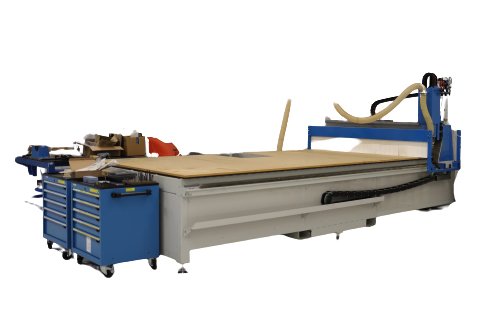
For processing Wood, Aluminum, Marble, Plastics, and Cardboard.

Machining units

For chip removal machines.

Machines for the production of briks

Of various sizes from laminated paper coils

To realize our projects, we rely on the latest generation software:

Unigraphics NX and SolidWorks

For 3D mechanical design.

IGE-XAO

For electrical and pneumatic design.

Nastran

Solver for finite elements.

IDEAUMBRA Lean and Agile

We have adopted Lean and Agile Manufacturing principles.

Agile manufacturing is the set of processes and tools through which a manufacturing company can respond rapidly and effectively to changes dictated by market and customer needs while maintaining maximum quality and cost control.

We are Agile: : We use business knowledge, Supply Chain organization, and our Lean production system to exploit business opportunities in a market with highly variable demand. We apply the Postponement concept to all our products, developing them with this perspective from the design phase.

We are Lean: we develop an attitude towards waste elimination, both in terms of money and time, aimed at creating efficient activity scheduling.

Assembly and Testing

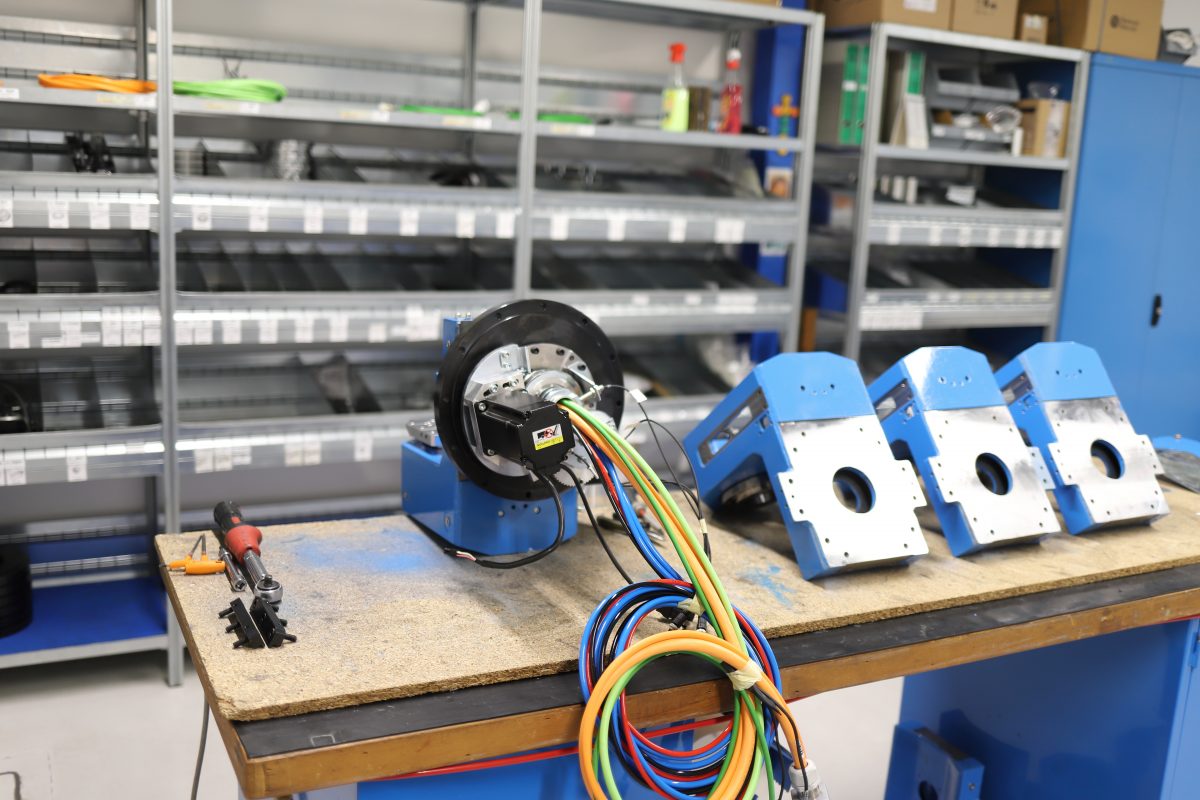
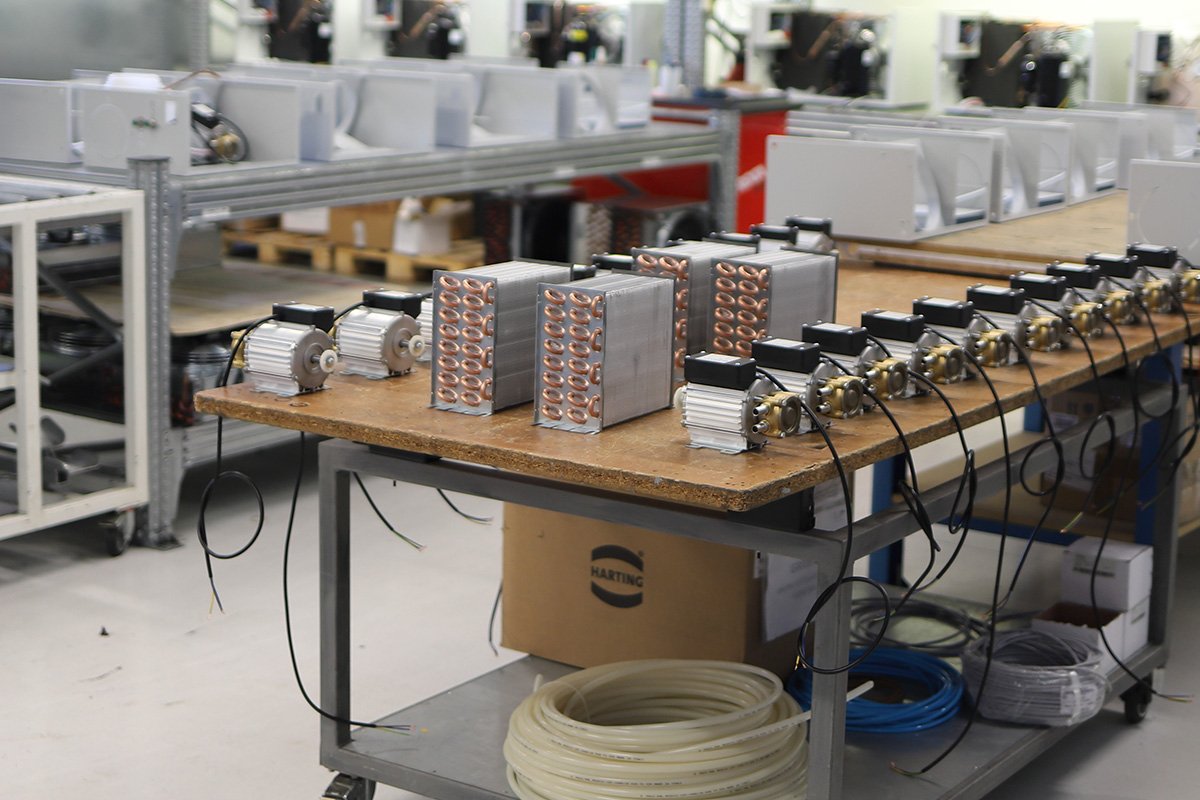
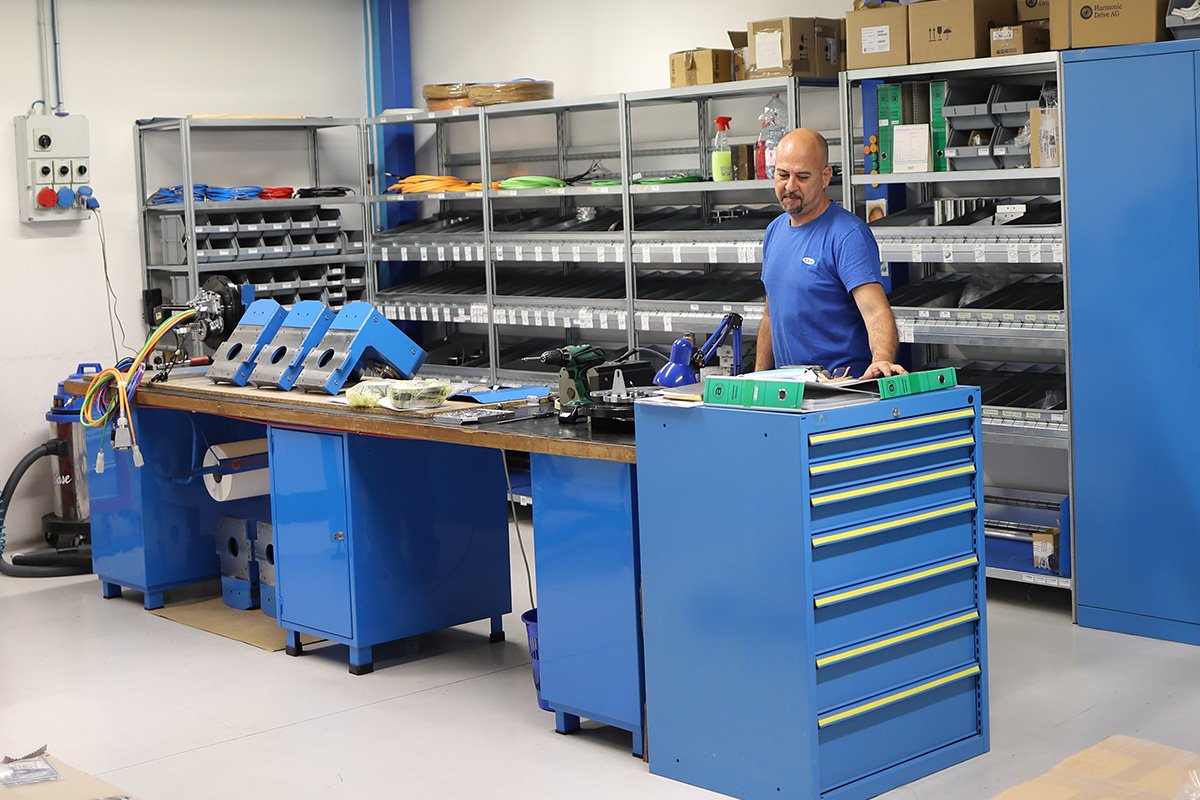
We assemble every single component in our Shop and test 100% of our products.

Our Testing phases are articulated in:

  • Acceptance Testing: Verification of the conformity of the products supplied by our Supply Chain to the Technical Specifications of our project/purchase order.
  • Interoperational Testing: “Control carried out during the processing to monitor the status of the performed operations.”
  • Assembly Testing
  • Final Testing

We verify the Conformity of the product in every possible aspect:

  • Conformity of the materials dedicated to the product’s realization
  • Conformity of all its components (dimensions, tolerances, finishes)
  • Technical conformity of the finished product (precision, functionality, performance, productivity, reliability, safety)
  • Aesthetic conformity
  • Regulatory compliance
  • Warranty

Assembly and Testing

We assemble every single component in our Shop and test 100% of our products.

  •  Acceptance Testing: Verification of the conformity of the products supplied by our Supply Chain to the Technical Specifications of our project/purchase order.
  • Interoperational Testing: Control carried out during the processing to monitor the status of the performed operations.
  • Assembly Testing
  • Final Testing
  • Conformity of the materials dedicated to the product’s realization.
  • Conformity of all its components (dimensions, tolerances, finishes)
  • Technical conformity of the finished product (precision, functionality, performance, productivity, reliability, safety)
  • Aesthetic conformity
  • Regulatory compliance
  • Warranty
keyboard_arrow_up